E-Learning that sticks
E-learning isn’t just e-learning.
If knowledge is meant to stick, it’s not enough to simply provide texts or videos.
Our brains need more and this is where dual coding comes into play.
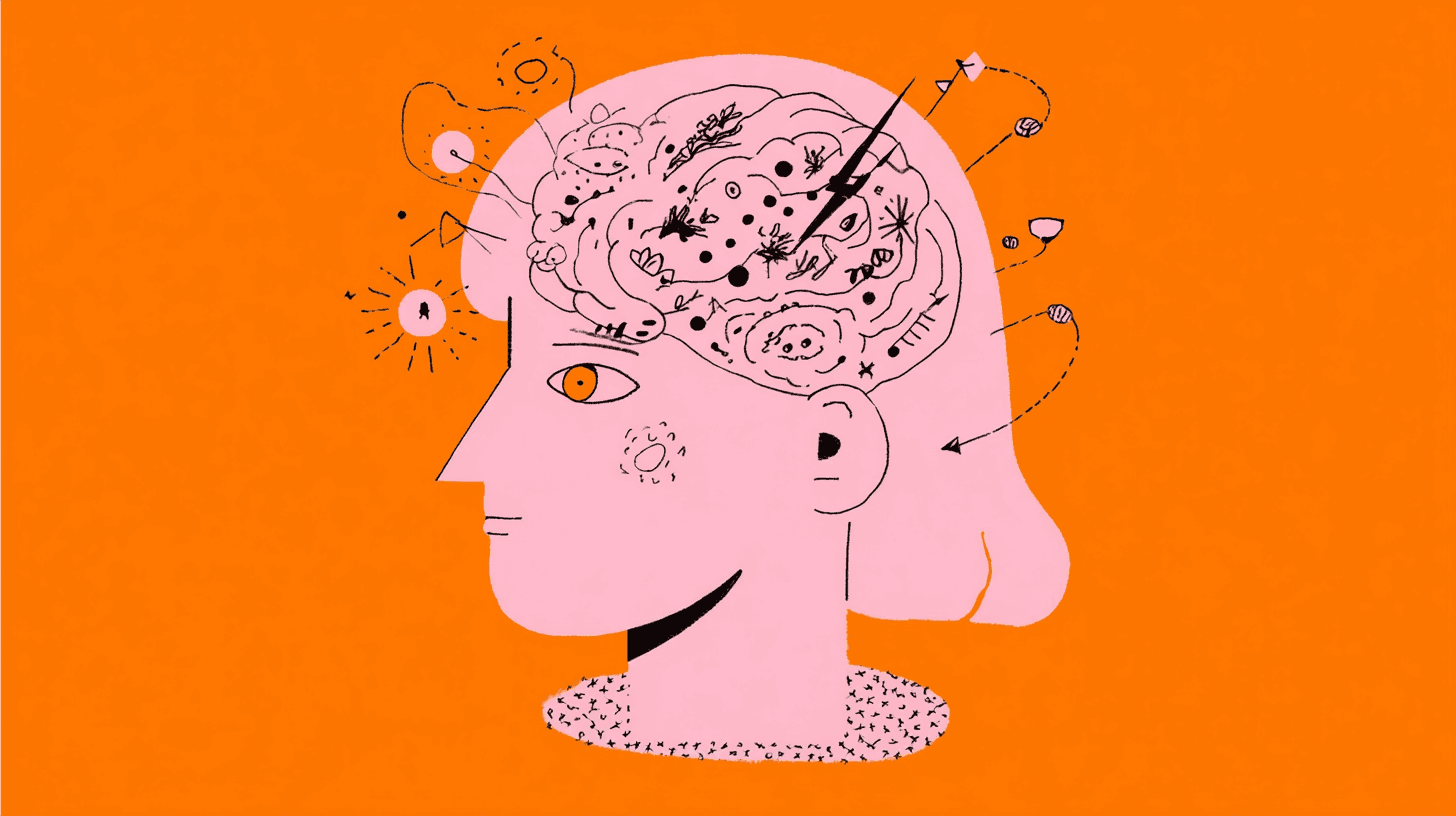
What is dual coding?
The concept of dual coding goes back to psychologist Allan Paivio.
His theory is simple: our brains process information through two channels —
a verbal channel (language, text) and a visual channel (images, graphics, animations).
When both channels are activated at the same time, knowledge is more strongly connected and better retained.
Imagine this:
You read the word “polar bear” and see an image of one at the same time.
Your brain stores the information twice — once as a word, once as a visual image.
Later, a single cue (for example, the image) is enough to recall the entire concept.
Why does this matter for e-learning?
Many e-learning formats rely on either text, visuals, or video.
But when these elements aren’t meaningfully combined, little is retained. With dual coding, knowledge isn’t just presented — it’s anchored.
The benefits of dual coding in e-learning
Better retention
Combining text and visuals makes information easier to remember.
Faster processing
Images are processed more quickly by the brain than text alone.
Reduced cognitive load
Visuals help make complex information easier to understand.
How we use dual coding at learn-e
We don’t believe in one-size-fits-all solutions.
Instead, we design e-learning experiences that deliberately activate both channels.
That means:
Clear visual explanations instead of generic stock images
Simple, focused language instead of information overload
Interactive elements that connect visuals and text
All guided by didactic principles such as cognitive load theory and the multimedia effect.
Because sustainable learning only happens when learners are not overwhelmed.
Dual coding in practice: an example
Imagine you want to teach your employees a new security protocol.
Instead of a ten-page PDF, they receive:
A clear step-by-step visual explanation
A short voice-over with subtitles
Interactive exercises with immediate feedback
The result: Higher attention, less forgetting, and real application in everyday work.
The takeaway: e-learning needs structure, not just content
Dual coding isn’t a nice-to-have. It’s essential. When content is clear, visual, and cognitively well designed, learning happens and lasts. That’s what effective e-learning is all about.
Want to learn more?
Let’s design e-learning that truly works — for your teams, your goals, and your organisation.